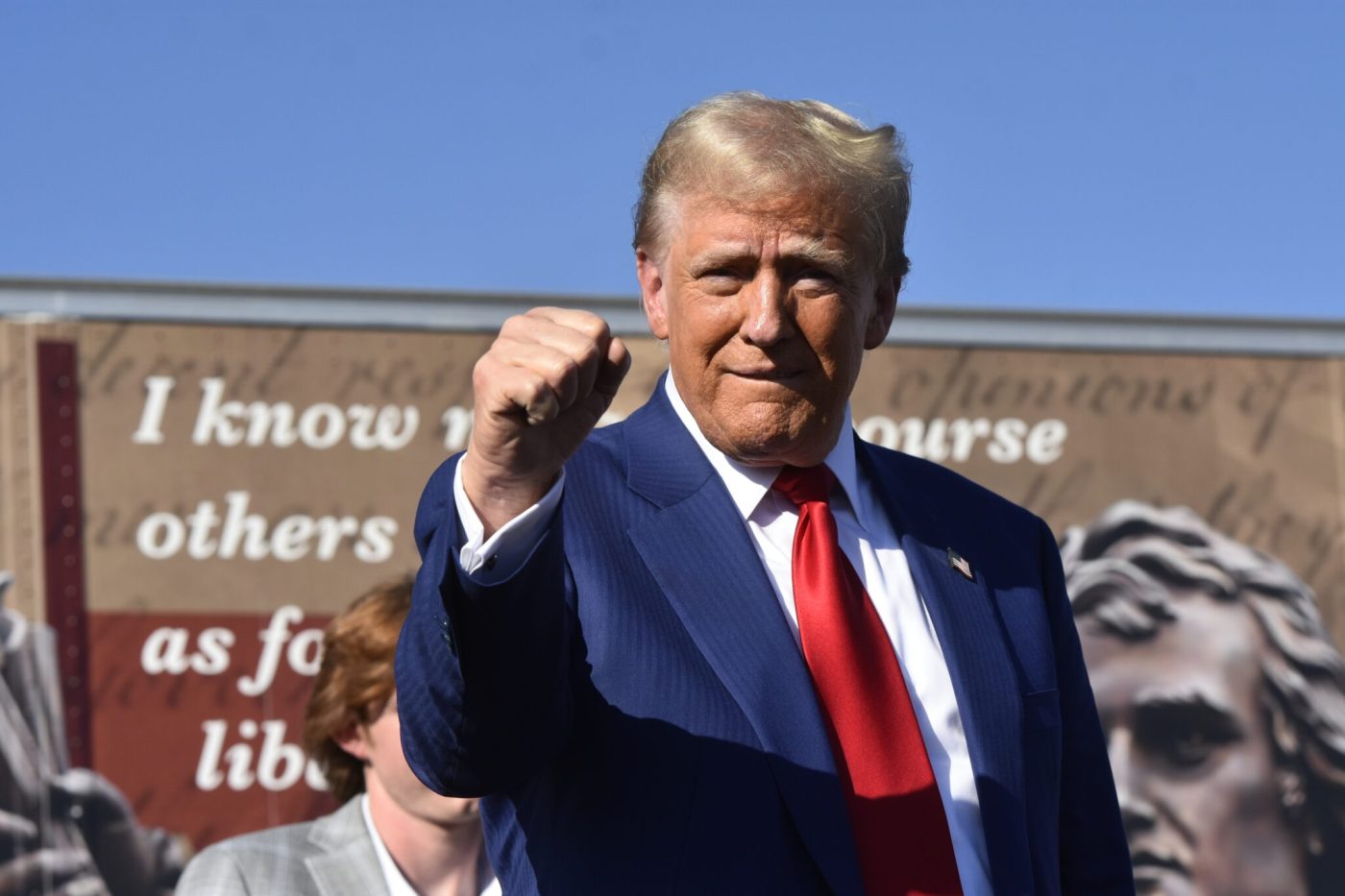

A Fulton County judge has dismissed the criminal case against former President Donald Trump and his co-defendants accusing them of seeking to overturn Georgia’s 2020 election results. Judge Scott McAfee granted the dismissal after Peter J. Skandalakis, the executive director of the Prosecuting Attorneys’ Council of Georgia, asked the court to drop the charges. Skandalakis had been appointed to take over the prosecution this month after Fulton County District Attorney Fani Willis was removed amid questions about a conflict of interest tied to a romantic relationship with special prosecutor Nathan Wade.
A Fulton County grand jury had indicted Trump and 18 others in 2023. Four alleged co-conspirators later pleaded guilty and agreed to cooperate with prosecutors. Skandalakis said he could not find another attorney willing to take the case from Willis and argued the matter was better suited to federal courts. He cited practical and legal barriers to trying a sitting president in state court, including issues of timing and presidential immunity.
Skandalakis acknowledged that many people held unfounded beliefs the 2020 election was stolen, and he noted state audits found no substantial voter fraud. He said a federal special counsel process would have been the more appropriate forum to determine whether any actions were criminal and provable beyond a reasonable doubt.
Central to the indictment was Trump’s January 2021 phone call urging Georgia Secretary of State Brad Raffensperger to “find” enough votes to alter the state result. Skandalakis described the call as “concerning” but not a definitive “smoking gun,” saying reasonable minds could disagree over whether Trump was asking Raffensperger to fabricate votes or to investigate fraud he sincerely—but mistakenly—believed had occurred.
Timing weighed heavily in Skandalakis’s decision. He pointed out the call occurred nearly five years ago and that two years had passed since the indictments. With Trump re-elected and serving a term that would run through January 20, 2029, Skandalakis said it was unrealistic to compel a sitting president to appear in Georgia and that post‑term prosecution would likely be delayed by long disputes over immunity.
Skandalakis did not take a definitive position on whether Trump committed crimes, but concluded Georgia was not the best venue to resolve the core questions. He suggested that the federal investigation led by special counsel Jack Smith would have been the appropriate route; Smith’s federal cases alleging election interference and mishandling of classified documents were dropped after Trump’s 2024 re-election, when Smith concluded it would be unlawful to continue prosecuting a sitting president.
Skandalakis considered severing other defendants to pursue them separately but found that would be “illogical and unduly burdensome and costly” for the state. He concluded alleged alternate electors lacked the criminal intent necessary to overthrow the election result, and noted key figures tied to the Coffee County breach—attorney Sidney Powell and bail bondsman Scott Hall—had pleaded guilty. He also said prosecuting lower‑level figures like former Coffee County election supervisor Misty Hampton or local GOP chair Cathy Latham would not serve the state’s interest. Alleged harassment of Fulton County election worker Ruby Freeman, he wrote, occurred in Cobb County and should be handled there.
The dismissal may carry financial implications: a law passed this year allows defendants to seek reimbursement of defense costs if a prosecuting attorney is disqualified for personal or professional misconduct, raising the possibility Fulton County could face claims for legal fees.
Reactions split along partisan lines. Trump attorney Steve Sadow praised the decision as an end to “political persecution,” and Georgia Republican chair Josh McKoon said those indicted were vindicated. Georgia Democratic chair Charlie Bailey called the dismissal “a travesty,” saying it denied voters accountability after a grand jury indicted 19 people; he noted several co-defendants had pleaded guilty. The Fulton County District Attorney’s office did not immediately comment.


