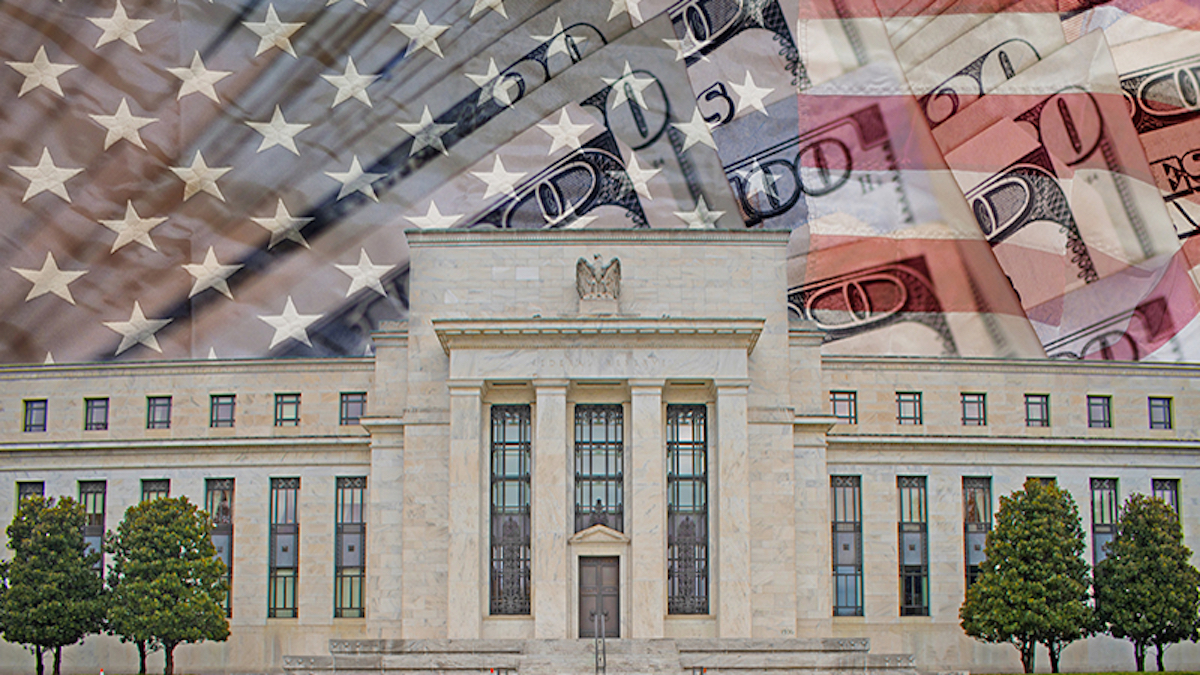

The inflation surge from 2021 to 2023 pushed up prices for consumer goods, housing and financial assets. Wages rose too, but more slowly than many price measures. When pay growth finally picked up, the Federal Reserve tightened policy—reflecting a long-standing view that rising wages can signal a self-sustaining inflationary spiral and therefore must be restrained.
Reported averages of weekly pay over the past 20 years can look encouraging and even show real gains for some workers since the pandemic. Those headline figures, however, mask important distortions. Recessions tend to remove lower-paid workers from the labor force, mechanically lifting averages. Recoveries can temporarily boost reported pay through higher starting salaries or one-off signing bonuses. Common inflation gauges like the CPI often undercount costs that weigh most heavily on lower-income households. For many workers, wages remain below pre-pandemic levels; real hourly pay has barely advanced since the 1970s and is slow to rebound once lost ground accumulates.
The Fed’s insistence on checking wage inflation is a relatively modern emphasis in its century-long role. Founded in 1913 to stabilize banking and provide liquidity, the Fed’s remit expanded during the Great Depression to include active monetary management and bank oversight. The 1951 Treasury–Federal Reserve Accord restored the central bank’s freedom to set interest rates, allowing monetary policy to evolve.
Mid-20th-century thinking was shaped by the Phillips Curve idea that lower unemployment would drive higher wages and, in turn, higher inflation. That framework unraveled in the 1970s, when stagflation—high inflation paired with weak employment—exposed limits to simple interest-rate remedies. After Congress codified the Fed’s dual mandate of price stability and maximum employment in 1977, the balance tilted toward fighting inflation. Under Paul Volcker in 1979 the Fed made price control its overriding priority. Rapid wage increases, especially if driven by higher inflation expectations, were seen as evidence of entrenched inflation psychology. To break that psychology, the Fed raised rates sharply, aiming to cool hiring, weaken labor’s bargaining power and keep unemployment higher than it might otherwise be—accepting short-term pain to reduce inflationary momentum.
That approach brought down inflation but had mixed social consequences. Broad real-wage growth stalled for many workers even as finance and asset prices flourished under a policy regime prioritizing price stability. By the 1990s, however, the Fed experimented with letting the economy run hotter, betting that productivity gains—driven by technology—would moderate inflation. The result was lower unemployment and modest gains for some lower-income workers, with overall price stability through the 2000s and 2010s despite persistent wage stagnation for many.
The inflationary episode of the early 2020s had different mechanics: large corporate markups, global supply snarls and energy price swings played bigger roles than wages in driving consumer prices. Over recent decades wage growth rarely drove inflation; asset bubbles and commodity shocks were often the culprits. Still, the Fed’s policy toolkit remains predisposed to clamp down on pay growth, reinforcing a stance that tends to protect financial stability, support government financing conditions and preserve confidence in the dollar—outcomes that disproportionately favor households holding financial assets.
Other countries have chosen distinct approaches. The Bank of Japan has for years tried to engineer higher wages to revive demand after long stagnation. China has targeted asset-price imbalances and encouraged minimum-wage increases to support consumption. These paths show that managing inflation need not mean automatically suppressing wage gains.
Economists propose several alternatives to the Fed’s current tilt. Advocates of nominal GDP targeting—like Scott Sumner and Christina Romer—argue policy should stabilize the economy’s total dollar spending, which could prevent abrupt slowdowns and better sustain jobs and wages. Scholars such as Isabella M. Weber and Merle Schulken emphasize “seller’s inflation,” where dominant firms and rising markups push prices up, and they recommend targeted price interventions in specific markets. Proponents of a job-guarantee framework (NAIBER), including Bill Mitchell and Warren Mosler, suggest the government could provide employment at a fixed wage to anchor prices and ensure work for all who want it.
Policy changes could also reframe how inflation is measured and managed. Expanding official inflation gauges to capture corporate profits, rents and asset-price pressures would make clear where price rises originate. Setting policy that explicitly prioritizes wage growth in line with productivity gains—rather than treating typical workers’ pay increases as a threat—could help rebalance outcomes.
None of this is easy. The post–World War II era’s broad-based wage gains reflected strong unions, industrial expansion and macroeconomic conditions that no longer exist. Today’s economy concentrates rewards among high-skill workers while lower- and middle-income households face fragile, intermittent gains. The Fed’s reflexive focus on suppressing wage-driven inflation has tended to entrench those disparities by viewing rising pay for typical workers as a problem instead of a sign of economic strength.
Reevaluating the Fed’s priorities—and seriously considering options such as nominal GDP targeting, targeted price measures, or a public job guarantee—could move policy away from reflexive wage suppression and toward strategies that better support durable, equitable growth.
John P. Ruehl is an Australian‑American journalist based in Washington, DC, and a world affairs correspondent for the Independent Media Institute. This article was produced by Economy for All, a project of the Independent Media Institute, and is reproduced with permission.


