Taiwan Bolsters Air Defense with Three New F-16 Block 70 Fighters
Taiwan enhances its air defense capabilities with the arrival of three new F-16 Block 70 jets, boosting its fleet to five.
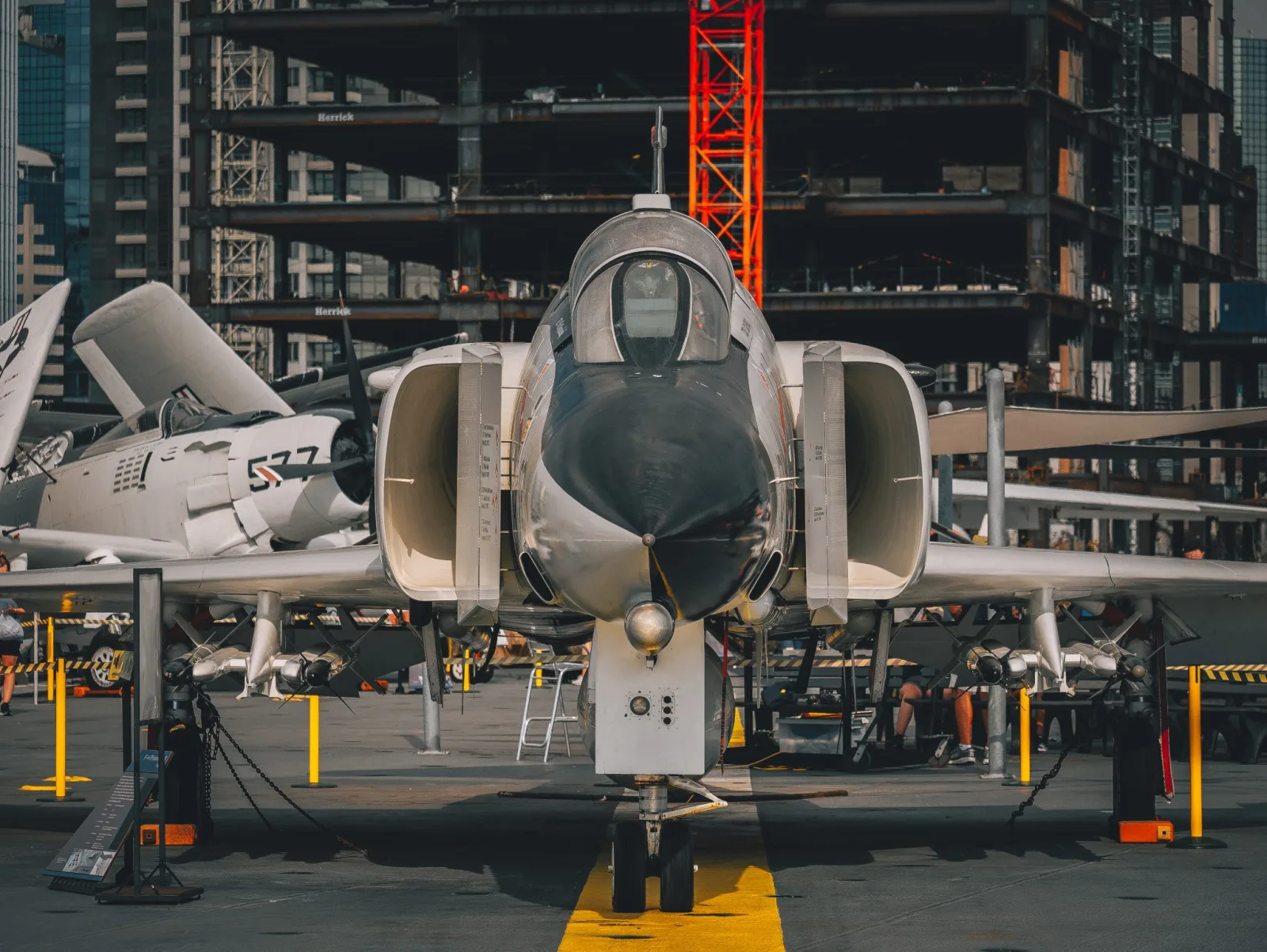
Taiwan has recently taken a significant step in reinforcing its air defense system by receiving three additional F-16C Block 70 fighter jets at Chihhang Air Base. These new aircraft, which touched down in Taitung around 11 a.m. local time, increase the total to five new jets on the island, following the arrival of the first two units just over five weeks ago.
Increasing Air Combat Readiness
The introduction of these fighters provides the 7th Tactical Fighter Wing with more resources for conversion training ahead of their operational deployment. Of the total order of 66 aircraft, approximately eight percent have now arrived in Taiwan, allowing the existing F-16V fleet to manage the ongoing interception demands imposed by the activities of the People's Liberation Army (PLA) around the region.
Defence Minister Wellington Koo stated earlier in October that there would be further deliveries before the year’s end, confirming the successful arrival of this latest batch. Although progress has been made, the overall schedule for completing the US$8 billion program still faces challenges.
Strategic Location and Logistics
The arrival locations of these jets at Chihhang, positioned east of the Central Mountain Range, optimize their operational effectiveness against threats from the Philippine Sea. This enables regular monitoring of both the eastern and western approaches of Taiwan.
Major Chiang Hui-yu, Taiwan’s first female F-16 pilot, played a vital role in ferrying one of the aircraft across the Pacific, solidifying the logistical framework necessary for such operations. The route involved stops in Hawaii and Guam, supported by American KC-135 tankers. This operational capacity showcases the logistics coordination crucial for maintaining air combat readiness in peacetime.
Enhanced Capabilities and Future Prospects
The F-16 Block 70 jets arrived outfitted with conformal fuel tanks, enhancing their long-range transit capabilities. This configuration allows for increased fuel capacity without sacrificing weaponry options for shorter missions. However, reports suggest that the initial aircraft may not be fully equipped with the Viper Shield electronic warfare systems, which are essential for defense against radar threats.
Despite this, the operational addition of these fighters brings significant advantages. Taiwan’s upgraded F-16A/B aircraft already feature advanced AN/APG-83 radar systems, allowing for a common operational baseline that facilitates tactical synergy across the fleet. These new acquisitions also promise extended airframe life and improved endurance, critical for sustaining patrols and intercepts under pressure from potential adversaries.
The enhancements in training potential and mission capabilities provided by these Block 70 jets will be critical, especially as they help ease the operational load on the older F-16 variants. Their extensive design life supports a longer service duration for Taiwan’s air force.
Operational Challenges Ahead
Even though the new aircraft have begun arriving, Taiwan's air defense strategy must now address the practical challenges of integrating these jets into active service. The acceptance checks and training initiatives for the new pilots and crews will be pivotal in leveraging full operational capability.
Logistical support, including maintenance and supply chain management, will be crucial in ensuring that these jets can be rapidly deployed in potential crisis scenarios. Taiwan will also need to test its ability to conduct operations that can withstand missile threats targeting airfields during heightened tensions.
The introduction of these fighters is a visible message to both allies and adversaries amid rising regional tensions, particularly from Beijing's stance against U.S. arms sales to Taipei. Moreover, the strategic positioning of these new aircraft allows for more sophisticated defensive capabilities in the face of ongoing PLA operations in the vicinity of Taiwan.
In summary, the arrival of the F-16 Block 70 jets represents a significant boost to Taiwan's defense posture, enhancing both their air combat capacity and regional deterrence stance.