Reevaluating the Agrarian Landscape of South Asia
Historian David Ludden discusses the complexities of South Asia's agrarian history and its evolution through colonial influences and local agency.
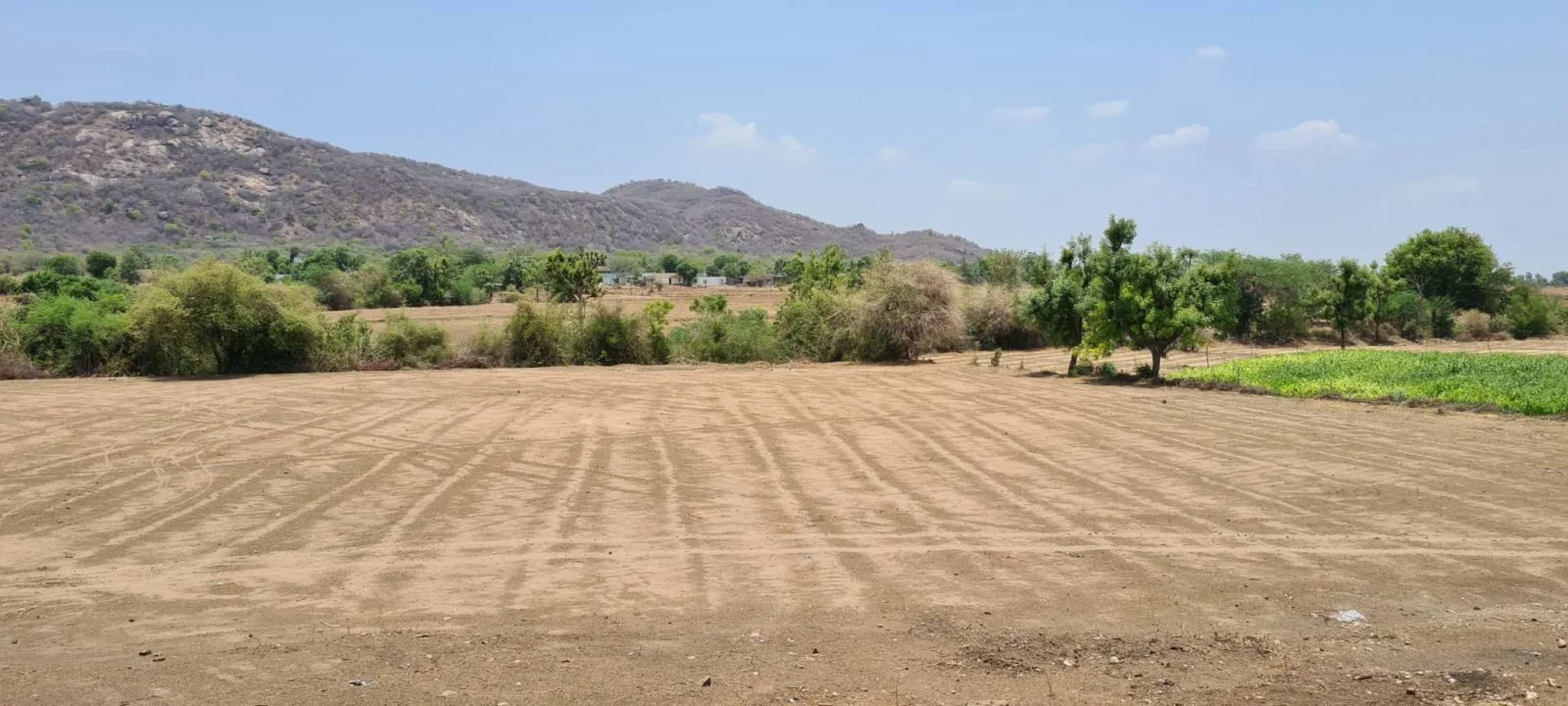
Renowned for his insightful analyses of South Asian history, David Ludden, Professor Emeritus at New York University, delves into the rich agrarian past of the region. In a recent interview, he reflects on his extensive research into agricultural societies, the dynamics of peasant life, and the fundamental historical shifts that have shaped these communities.
A Journey into Agrarian History
Ludden’s academic journey began in a village near Chennai, where he volunteered at a clinic. There, he witnessed the stark realities of inequality that go beyond borders, igniting a passion for understanding the political and economic roots of poverty. His experience led him to embrace the Tamil language and focus on the intricate relationship between social structure and agrarian life.
His early work centered around translating ancient Tamil poetry, which revealed a profound connection between culture and the environment. This foundation paved the way for his dissertation, which explored the transformation of land rights during British colonial rule, ultimately shaping his perspective on agricultural inequality. Ludden’s approach merges contemporary field research with historical documentation—ranging from literature to ecological observations—creating a comprehensive understanding of agrarian history.
The Role of Agrarian Frontiers
During the 1990s, Ludden began shifting his attention to the agrarian frontiers of Bangladesh, an area ripe for exploration. He noted that the agricultural landscape is heavily influenced by various social forces, such as merchants and migrating populations, which create dynamic changes in land use and cultivation. He emphasizes how rural landscapes evolve, transforming forests into farmland and introducing new technologies for irrigation.
Through his studies, Ludden identifies the significant role of agrarian frontiers as they illustrate how mobile social elements reshape local economies. The history of East and West Bengal provides a compelling case study, highlighting how Calcutta’s landlords developed an agrarian hierarchy distinct from the emergent agricultural systems in East Bengal.
The Development Regime and Post-Independence Inequities
Ludden’s book, An Agrarian History of South Asia, outlines a pivotal shift in the late 19th century when colonial governance and industrial technologies radically altered agrarian life. He coined the term “Development Regime” to describe the ensemble of social powers linked to industrial capitalism that influenced agrarian systems during this time. Despite independence, the structural inequalities established under British rule largely persisted in the independent states, compelling Ludden to question how national identities formed around these inequities.
As nationalism emerged in South Asia, it often carried the legacy of the imperial development regime, prioritizing the interests of elites while perpetuating poverty among the agrarian populace. The Partition of 1947, which left much of the colonial bureaucratic framework intact, further complicated efforts to address economic disparities.
Peasantry and Agency
Contrary to the notion that peasants were passive subjects under colonial rule, Ludden's research reveals their active participation in reshaping agrarian economies. He critiques the narrative of “deindustrialization,” arguing instead that agriculture has always been commercialized and that the characterization of peasants needs reassessment. As agrarian practices became tied to global markets, local farmers faced challenges but also adapted to the changing landscape.
His work highlights the agency of peasants, portraying them not merely as victims of colonization, but as dynamic actors negotiating their existence within complex socio-economic frameworks. This perspective challenges conventional academic narratives that often depict agrarian history as static, instead emphasizing the resilience and agency of rural communities.
By recognizing the multitude of interactions between local communities and larger political economies, Ludden enriches our understanding of South Asia’s historical narrative. The ongoing evolution of agrarian societies invites scholars and policymakers to reconsider how to approach agricultural reform and poverty alleviation in the region today.