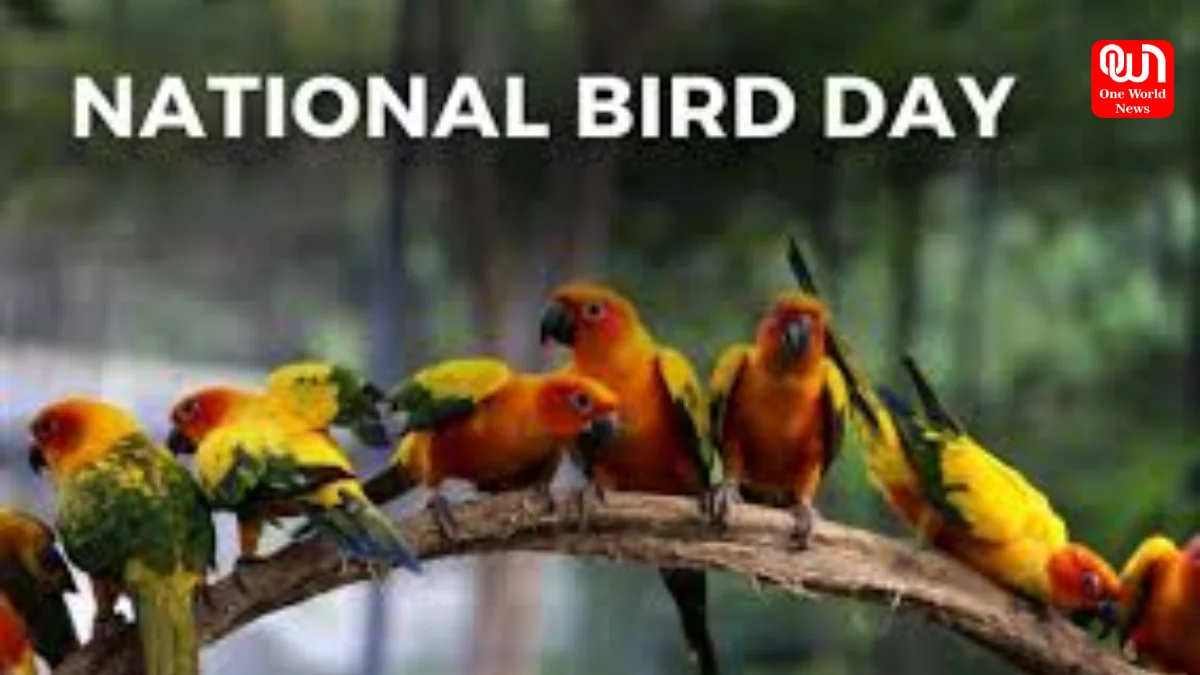

National Bird Day 2026 is observed each year on January 5 to honor birds and promote their protection worldwide. The day draws attention to the many threats birds face—habitat destruction, climate change, pollution, poaching, and the illegal pet trade—and encourages actions that help preserve species and the ecosystems they support. Birds bring beauty and song to our world, and they play essential roles that make healthy environments possible.
Why this day matters
Global bird populations are declining as forests are cleared, urban areas expand, and climates shift. National Bird Day serves as a reminder that conserving birds is not just an aesthetic choice but a necessity for biodiversity and human well-being. Loss of bird species can undermine pollination, seed dispersal, pest control, and other services that sustain landscapes and agriculture. The day invites individuals, schools, organizations, and governments to raise awareness and work toward solutions.
Origins and significance
National Bird Day began as an effort to expose the suffering of birds kept in captivity and traded illegally. Over time it has widened into a conservation-focused observance that supports wild bird protection, sanctuary care, research, and habitat preservation. The day combines ethical concerns about captive birds with practical conservation strategies for native and migratory species.
Ways to observe National Bird Day 2026
– Go bird-watching: Join guided walks, take part in citizen-science counts, or simply observe local species in parks and backyards to learn about their habits and needs.
– Support conservation groups: Donate to reputable organizations, volunteer at sanctuaries, or help with rescue and rehabilitation projects.
– Raise awareness: Schools, NGOs, and communities can host talks, exhibitions, art contests, and online campaigns to teach bird safety and conservation.
– Make bird-friendly spaces: Plant native trees and shrubs, provide clean water, install safe feeders, and avoid pesticides to create safer habitats in neighborhoods and gardens.
– Say no to the captive trade: Refuse to buy wild-caught birds and discourage illegal wildlife trade—birds belong in the wild.
Why protecting birds benefits the environment
Birds contribute directly to ecosystem health: they control insect populations, pollinate flowers, disperse seeds, and help cycle nutrients. Some species influence local climate regulation and maintain ecological balance. Declines in bird numbers often indicate broader environmental problems, so protecting birds helps safeguard entire ecosystems and the services people rely on.
How schools and communities can help
Educational projects inspire the next generation of conservationists. Activities that work well include habitat restoration, community clean-ups, poster and art projects, citizen-science monitoring, and film screenings. Engaging students and families builds lasting conservation values and local stewardship.
A call to action
National Bird Day 2026 is more than a date on the calendar—it’s a prompt to act. Small steps taken by many people add up: planting native species, supporting sanctuaries, reporting illegal trade, and choosing not to keep wild birds as pets all make a difference. By protecting birds, we protect ecosystems, cultural connections to nature, and the natural legacy we pass to future generations.


