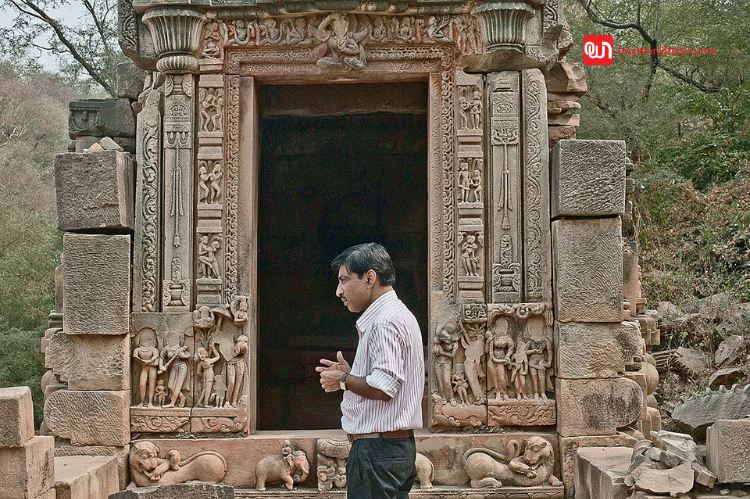

Veteran archaeologist K. K. Muhammed has sounded the alarm over a sharp slowdown in temple restoration work across India, saying conservation efforts have deteriorated significantly since 2014. Once responsible for reconstructing more than 100 historic temples, he now describes the agency in charge as virtually paralysed and warns that loss of momentum risks permanent damage to the country’s architectural heritage.
Muhammed attributes the decline largely to changes in decision-making and funding at the Archaeological Survey of India (ASI). Field-level superintending archaeologists previously had discretionary funds as high as ₹25 lakh for on-site conservation tasks; that ceiling was cut to around ₹3 lakh after 2014. He argues that this drastic reduction has effectively stalled much of the hands-on restoration work that used to be routine.
He also criticises a shift in priorities within ASI where resources have been diverted from core conservation to peripheral, non-archaeological projects. Boundary walls, walkways, toilets, ticket booths, cafeterias and souvenir shops have frequently been contracted out—sometimes at high cost—while essential structural repairs and archaeological restoration receive less attention. Muhammed says this period will be remembered as one when officials knew the cost of amenities but not the cultural value of the monuments they were meant to protect.
Pointing to concrete cases, he notes that at the Bateshwar temple complex, where earlier administrations rebuilt dozens of shrines, there have been no new reconstructions in recent years. He calls this lapse a decade-long void, a missed opportunity to revive and conserve a significant corpus of temple architecture at a time when interest in heritage tourism and preservation has grown internationally.
Muhammed blames excessive centralisation and bureaucratic inertia for the setbacks. Curtailing financial autonomy at the site level, he says, has slowed urgent repairs and pushed administrators to favour visible amenities that yield immediate public optics over archaeological priorities essential for structural stability and authenticity. Decisions driven by appearance rather than conservation, he warns, jeopardise the integrity of monuments.
The consequences are serious. Delays in timely restoration increase the risk that vulnerable structures will deteriorate beyond repair, erasing physical links to the past and corroding cultural identity. There are also economic implications: poorly maintained heritage sites are less likely to attract tourists and the benefits they bring to local communities.
Muhammed is calling on heritage authorities, government bodies and civil society to reassess current priorities. He urges a return to core conservation practices: adequate and targeted funding for archaeological work, decentralised financial and administrative authority for field archaeologists, transparent project planning, and a renewed emphasis on structural restoration and safeguarding authenticity rather than cosmetic upgrades.
His message is a plea for immediate, sustained action. If restoration and preservation are deferred, future generations may inherit only memories of monuments rather than the monuments themselves.


