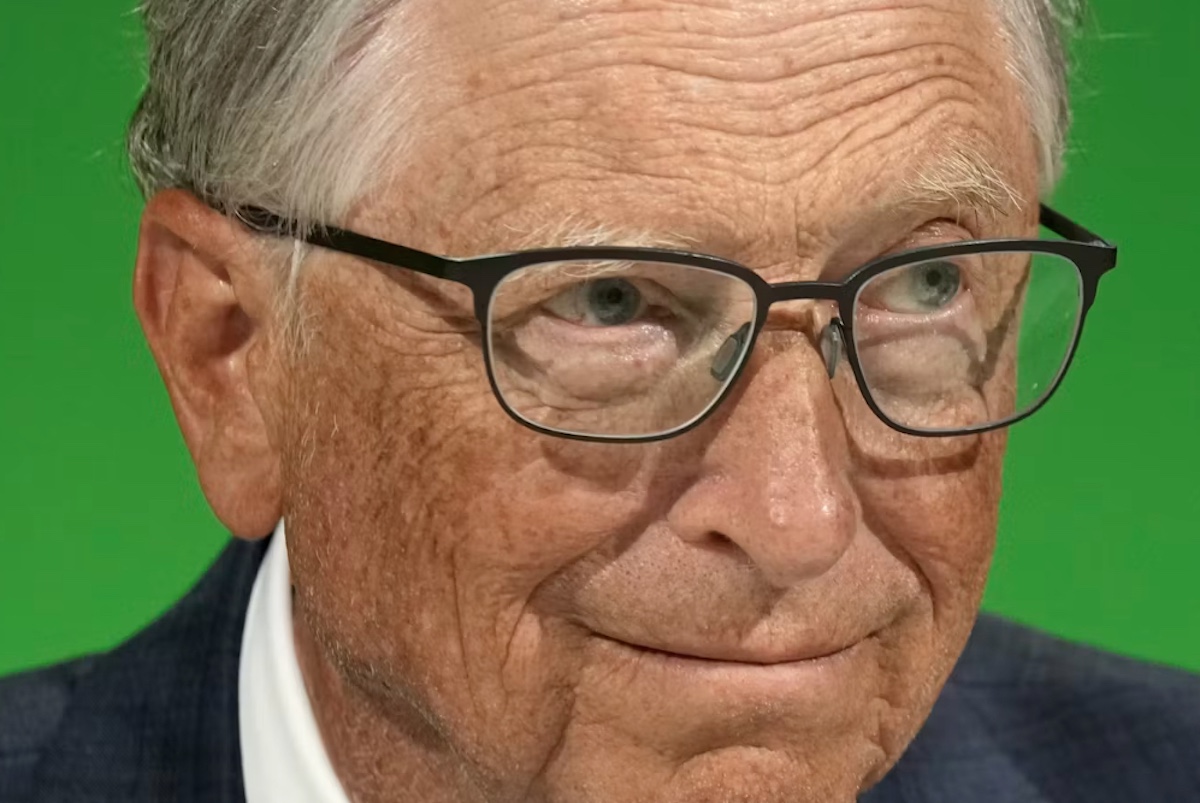

Days before COP30 in Brazil, Bill Gates circulated a lengthy memo urging a change in how policymakers frame and tackle the climate crisis. The tech magnate and philanthropist called for a “strategic pivot” that immediately polarized discussion: some climate skeptics touted the memo as a retreat, while a number of scientists objected to its emphasis and tone.
Gates reiterates that climate change poses real and serious risks—especially for people in the poorest countries—and stresses that limiting warming matters. He continues to endorse net‑zero pathways and calls for ongoing investment in global health and development, including vaccines. What provoked the most reaction, however, was his suggested shift in strategy and messaging.
He asks negotiators and leaders to accept three propositions. First, treat climate change as a grave problem, but not as an unstoppable, civilization‑ending catastrophe. Second, regard temperature targets such as Paris benchmarks as useful but imperfect indicators of progress. Third, place global health and economic prosperity at the center of defenses against climate harms.
At the heart of Gates’s case is a belief in technological innovation and economic development. He points to falling carbon intensity in some forecasts and advances in electric vehicles, renewables, and battery storage as evidence that growth and innovation are already cutting emissions. Gates argues that bigger breakthroughs are most likely to come from healthier, wealthier societies, so investments in development are critical to long‑term climate success.
That framing—particularly the line that the crisis is “not the end of the world”—was quickly seized by contrarian voices. Social posts and headlines sometimes distorted the memo into claims that Gates had declared climate change a hoax or that it isn’t dangerous. Those readings overlook his repeated warnings about significant harms and his sustained support for decarbonization. Still, the softer tone dovetails with familiar skeptic narratives that downplay urgency and portray mainstream messaging as alarmist.
Psychologically, denial and dismissal often rest on black‑and‑white thinking: if the crisis is not apocalyptic it is easy to conclude it is negligible. By stepping away from apocalyptic language, Gates unintentionally provided rhetorical ammunition to those who want to minimize action. Short, catchy headlines and social snippets amplified that effect even where the memo’s substance calls for continued emissions cuts and bolstered public‑health efforts.
Many climate scientists responded with frustration. A central concern is Gates’s strong focus on technological solutions—some still high risk or immature, including small modular nuclear reactors, carbon capture and storage, and certain geoengineering ideas. Critics worry that privileging these options could distract from proven mitigation measures, justify ongoing fossil‑fuel use, or erode the political urgency needed for rapid emissions reductions.
Others warned that aspects of the memo soften the perception of looming harms. Gates cites scenarios that could yield roughly +2.9 °C by century’s end; some researchers say his framing risks understating systemic, long‑term impacts. Commentators have urged a middle path: avoid both doomsday rhetoric and easy salvation narratives, and design policy to manage complex, uncertain risks.
The clash set off by the memo is likely to continue. Skeptics will mine parts of it to argue alarm is unnecessary. Scientists and communicators will debate how to convey seriousness, uncertainty, and urgency without fueling polarization. Policymakers must weigh investments in innovation alongside deployment of proven low‑carbon technologies and the wider development and health programs Gates emphasizes.
Importantly, the memo does not change the underlying climate science. It does, however, highlight how sensitive climate politics are to tone and framing: the same argument—pragmatic optimism about innovation plus concern for vulnerable populations—can be read as reassuring, opportunistic, or distracting depending on the audience and media treatment. The core policy task remains unchanged: speed emissions reductions while investing in resilience, public health, and technologies that reduce carbon and improve lives.
Ryan M Katz‑Rosene is an associate professor in the School of Political Studies, cross‑appointed to Geography, Environment and Geomatics, University of Ottawa. This article is republished from The Conversation under a Creative Commons license.


