Iranian President Masoud Pezeshkian said on May 11 that Tehran faces several paths for handling current regional tensions, including entering negotiations “with dignity, authority and preservation of national interests.” The comments, reported by the Iranian Students’ News Agency (ISNA), came during a meeting with the commander-in-chief and senior commanders of the Faraj police force, where Pezeshkian received a report on the force’s performance in what Iranian officials described as the “recent imposed war.”
Pezeshkian emphasized the need to strengthen internal security, calling for improvements to the structure and equipment of the security apparatus and for an expanded role for Faraj grassroots units in maintaining domestic order. He outlined three possible courses for Iran: negotiate from a position of dignity and protect national interests; remain in a prolonged state of neither war nor peace; or continue on a path of war and confrontation. He said the preferred option is diplomacy backed by military gains so that battlefield successes are consolidated through diplomatic means and the nation’s rights are secured “from a position of dignity and authority.”
Iranian Foreign Ministry spokesperson Esmaeil Baghaei, speaking at a press conference and cited by state-linked Fars News Agency and Press TV, said Iran’s proposals aim to defend legitimate national rights while promoting regional and global stability. He described the proposals as reasonable and generous and accused Washington of persisting in “maximum pressure” and making unreasonable, one-sided demands. Baghaei said Iran views itself as a responsible regional power and rejected accusations of coercion, saying, “We are not bullies; we are anti-bullying.”
Baghaei listed Tehran’s demands as an end to the war, lifting the blockade, halting acts of maritime piracy, the release of Iranian assets frozen under U.S. pressure, ensuring safe passage through the Strait of Hormuz, and establishing security in the region and in Lebanon. He urged the United States to end its pressure campaign against Iran.
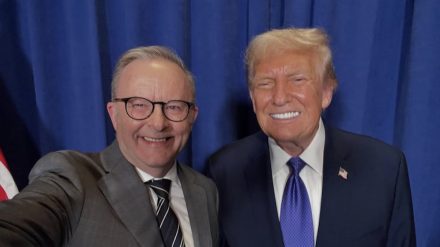
The remarks followed a public rebuke from former U.S. President Donald Trump, who said on Truth Social that he found Iran’s response to a de-escalation proposal “totally unacceptable.” Iranian state media reported that Tehran submitted its reaction to the American proposal via Islamabad. The reporting in this summary draws on ISNA, Fars, Press TV and ANI as carried in the original Tribune item.