Unpacking the Dangers of Looksmaxxing in 'Get Huge'
Hulu's docuseries explores the dark side of looksmaxxing through influencer Tony Hughes and his followers.
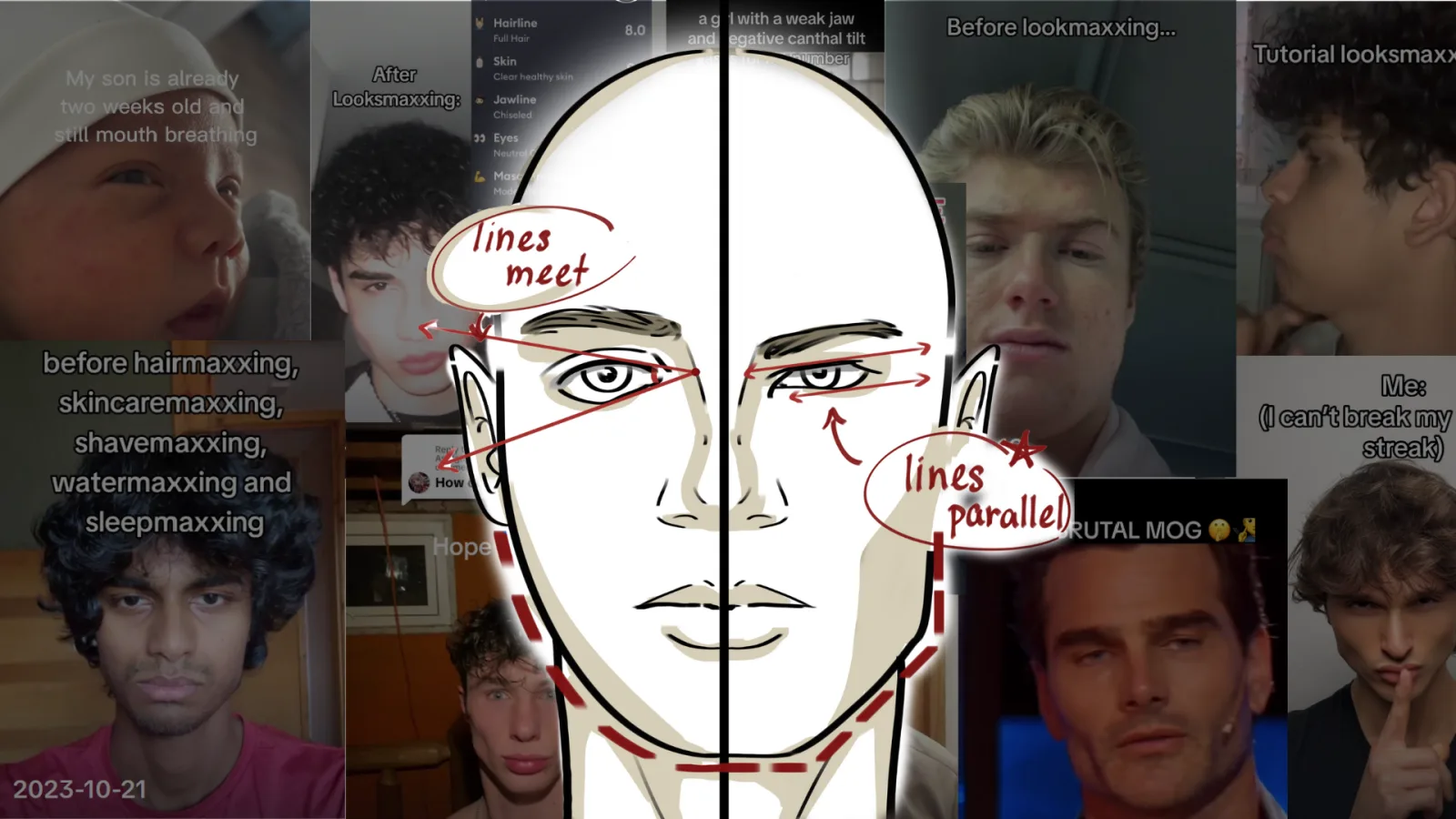
The online phenomenon of looksmaxxing has gained immense popularity, with creators promoting extreme measures for achieving physical perfection. Among these influencers is Anthony Hughes, who has become a central figure in the manosphere, attracting a dedicated following of young men eager for a sense of belonging.
A Look into the Manosphere
Looksmaxxing has become a growing internet phenomenon, with influencers promoting everything from grooming routines and bodybuilding to extreme methods of reshaping one's appearance. What often starts as a pursuit of self-improvement can take a darker turn, particularly when young men begin tying their self-worth to unrealistic beauty standards, physical dominance, and online validation.
'Get Huge': A Deep Dive
Much of the docuseries follows Hughes' extravagant lifestyle in Pattaya, Thailand, where he showcases his wealth, muscular physique, and seemingly endless access to women. His online persona revolves around an image of power and excess, presenting himself as a figure of authority surrounded by admirers.
For his followers, this lifestyle offers more than just fitness inspiration. It represents an ideal of masculinity built around money, physical dominance, and social status. The problem is that the reality behind this carefully constructed image is far less glamorous.
As the series unfolds, it becomes clear how loneliness and the desire for acceptance can draw young men deeper into online communities that offer belonging but often encourage unhealthy attitudes and behaviours.
The Allure of Other Influencers
Hughes not only attracts fans from the U.S. but also entices established bodybuilding influencers to join him in Thailand, creating a tight-knit group that thrives on the fantasy he portrays. This includes personalities like Leo Longevity and Connor Murphy, who are drawn to the camaraderie and shared ambition, seeking a sense of fulfillment within Hughes’ circle.
However, as the series progresses, it reveals the grim reality behind the facade. Many who surround Hughes have fallen victim to the darker aspects of this lifestyle, with tragic deaths casting a shadow over the group. This unsettling truth unveils the psychological toll that such a toxic environment can impose on its members.
The Cost of Connection
Some of the most unsettling moments in Get Huge come from the conversations between Hughes and those around him They candidly discuss the deaths within their circle, including the loss of friends under tragic circumstances. Instead of fostering genuine connections, their interactions often descend into competition, jealousy, and the objectification of women.
One particularly harrowing moment occurs when the series reveals that Murphy drowned shortly after filming, amplifying the sense of danger associated with this culture. Rather than simply documenting these events, Get Huge serves as a cautionary tale about the chilling effects of looksmaxxing—showing how such a pursuit can lead individuals astray from constructive support and healthy relationships.
A Disturbing Conclusion
As the series reaches its conclusion, it presents a stark contrast between Hughes’ adult followers and his attempts to lure younger audiences, some as young as 13, into the world of looksmaxxing. His focus on this new generation raises serious ethical questions about the sincerity of his connections and motives.
Get Huge paints a thought-provoking portrait of how the promise of community within the manosphere often leads to exploitation. The closing scenes leave viewers pondering the authenticity of Hughes’ relationships with his followers, emphasizing how this extractive culture prioritizes content over meaningful human connection.
All three episodes of Get Huge: Looksmaxxing to Death are available to stream on Hulu and Disney+. It's a sobering watch that goes beyond the pursuit of physical perfection to examine the loneliness and desire for belonging that can make young men vulnerable to the darker corners of internet culture.