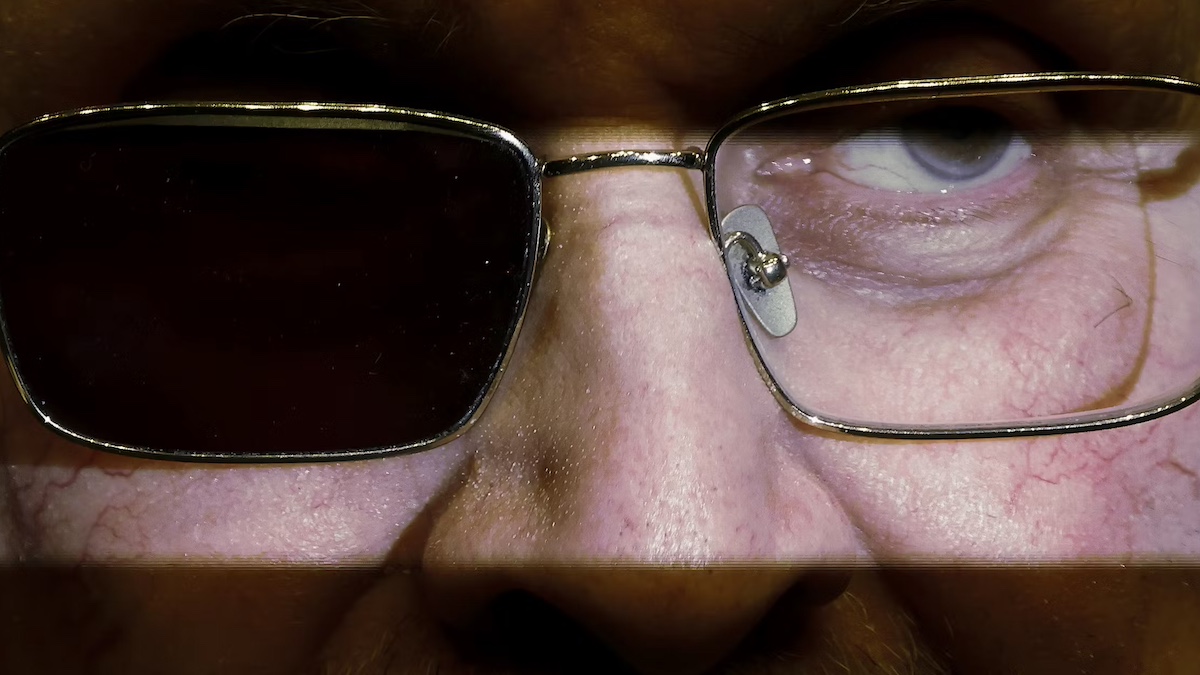

Salman Rushdie’s new short-story collection, The Eleventh Hour, feels urgent — a literary reclamation that insists on time, ageing and the art of story. Coming after Knife (2024), written after the 2022 attack, the book gathers pieces that return to familiar terrain: India, questions of faith and doubt, reinventions of English literary history, and formal experiments set in the United States that probe authenticity, censorship and fraud.
The book opens with ‘In the South’, first published in The New Yorker, a quiet meditation on death and growing old in the shadow of the 2004 tsunami. Two elderly neighbours, nicknamed Junior and Senior and sharing an undisclosed first name, inhabit a commonplace world made startling by Rushdie’s control of structure and voice. One is serene and alone; the other is melancholic and beset by family. A phrase here provides the collection’s title, framing death as an ‘adjacent verandah’ rather than an abrupt end.
‘The Musician of Kahani’ is an inviting doorway for readers new to Rushdie. It traces decades in a Mumbai recast as Kahani, a city of stories where streets carry the names of writers and events arrive out of sequence, like gossip. The tale privileges storytelling over plot progression; its heroine’s uncanny gifts recall the magical realism of Midnight’s Children and celebrate renaming and narrative’s transformative power.
‘Late’ shifts to an Oxbridge college and stars Simon Merlyn (S.M.) Arthur, a celebrated novelist who wakes to find himself dead at 61. Beneath familiar English tropes — Oxbridge cloisters, wartime echoes, colonial manners — Rushdie stages a meditation on literature, myth and second chances. Rosa, an Indian undergraduate tasked with sorting S.M.’s papers, can hear his ghost and uncovers sorrow, betrayal and archival surprises. The story carries autobiographical inflections, even hints of the discovery that produced The Satanic Verses, and Rosa often reads like a partial stand-in for the author.
The final two stories turn to the US and to formal daring. ‘Oklahoma’ is presented as an unedited posthumous autofictional manuscript, a literary correspondence between a younger writer, M.A., and an admired uncle-figure, Uncle K. What begins as mentorship and the task of finishing Kafka’s Karl Rossmann in Amerika unravels into doubt, deception and obsession. Questionable manuscripts — including an 1819 tale of anguished murals — keep returning, foregrounding art’s troubled relationship to corruption, violence and the corrosions that come with ageing: rage, madness, jealousy.
The closing fable, ‘The Old Man in the Piazza’, watches an elderly man listening to heated exchanges and becomes a parable about how moralizing simplifications impoverish public life, replacing nuance and poetic speech with a binary thumbs-up or thumbs-down.
Taken together, these stories read like metaphorical fragments of Rushdie’s life and work. They summon the energy of his early masterpieces while avoiding the celebrity detail of his memoir Joseph Anton, and they reaffirm an abiding preoccupation with storytelling, identity, ageing and the precariousness of truth.
Jenni Ramone is associate professor of postcolonial and global literatures at Nottingham Trent University.
This article is republished from The Conversation under a Creative Commons licence.


