Capitol Hill Faces Challenges Amid Democratic Surge
With lawmakers back in session, Congress has a full agenda as Democrats capitalize on midterm victories.
Democrats Seize Momentum
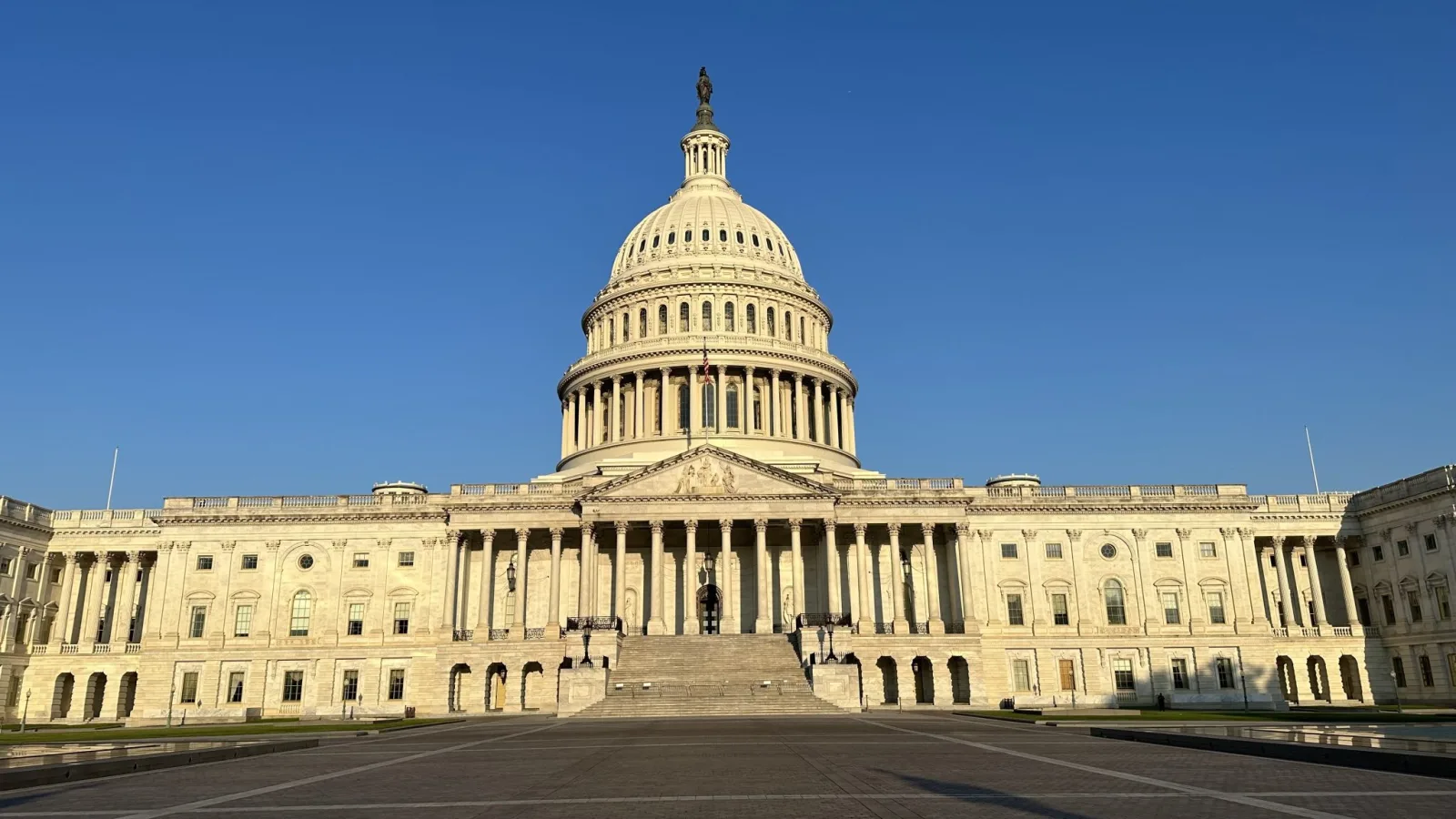
As Congress reconvenes in Washington, a palpable shift in atmosphere has been noted among lawmakers. Following a remarkable midterm election outcome, Democrats are feeling empowered and ready to leverage their newfound strengths.
Republicans Reflect on Election Setbacks
Following the electoral losses, Republicans return to Capitol Hill reflecting on their position as minority members. Many within the party are grappling with the implications of the results and what they signify for the future. A substantial agenda awaits, which includes essential legislation that must be addressed before the end of the year.
Key Tasks Ahead
- Approving a government funding bill by December 11 to avert a potential shutdown.
- Finalizing the annual National Defense Authorization Act.
- Addressing the farm bill related to agricultural and food-assistance policies.
- Deciding on the renewal of FISA Section 702 for warrantless surveillance.
- Formulating a permitting reform agreement to enhance construction efficiency.
- Evaluating President Trump’s nominations in the Senate.
- Considering a House resolution to impeach Defense Secretary Pete Hegseth, proposed by Rep. Thomas Massie (R-Ky).
Senator Michael Bennet of Colorado voiced concerns regarding funding for military engagements, stating, “We must refuse to invoke cloture on any package that includes another cent for his war.” His comments reflect a call from some Democrats to reassess financial support related to international conflicts.
Republican Leadership Dynamics
As they navigate this transitional period, a faction of Republicans is advocating for a delay in leadership elections. Senators John Thune of South Dakota, John Barrasso of Wyoming, and Tom Cotton of Arkansas are expected to retain their roles, yet a growing number of voices within the party emphasize the necessity of an honest conversation about what transpired during the elections.
Senator David McCormick from Pennsylvania, known for aligning with GOP leadership, stressed the need to analyze the election results: “We need to discuss what went wrong, how we fix it, and what we stand for moving forward,” he stated.
A Divided Republican Perspective
Despite a significant electoral defeat, there is not yet a consensus among Republicans regarding the causes. Many hesitate to assign blame to Trump, despite evidence suggesting that voter dissatisfaction over his policies severely impacted election results.
Democratic Gains with Trump Voters
On the other side of the aisle, Democrats are celebrating substantial victories as they made notable inroads into traditionally Republican voter bases. Many former Trump supporters turned to Democratic candidates, driven by concerns over economic stability and the state of democracy.
Exit polls highlight this trend, revealing that approximately 13% of voters who supported Trump in 2024 chose Democratic candidate Jon Ossoff in Georgia, with other candidates like James Talarico in Texas and Mark Warner in Virginia also garnering significant cross-party support. Nationally, about 7% of Trump backers voted for Democratic House candidates.
Looking Forward
The upcoming weeks will be critical as both parties navigate complex challenges and shifting dynamics. With Democrats poised to take control of Capitol Hill beginning January 3, the negotiations between both parties hold the potential for either cooperation or intensified division.
As Congress assembles for this session, the focus will not only be on legislative tasks but also on shaping the direction each party will take in the future as they respond to the electorate’s sentiments.