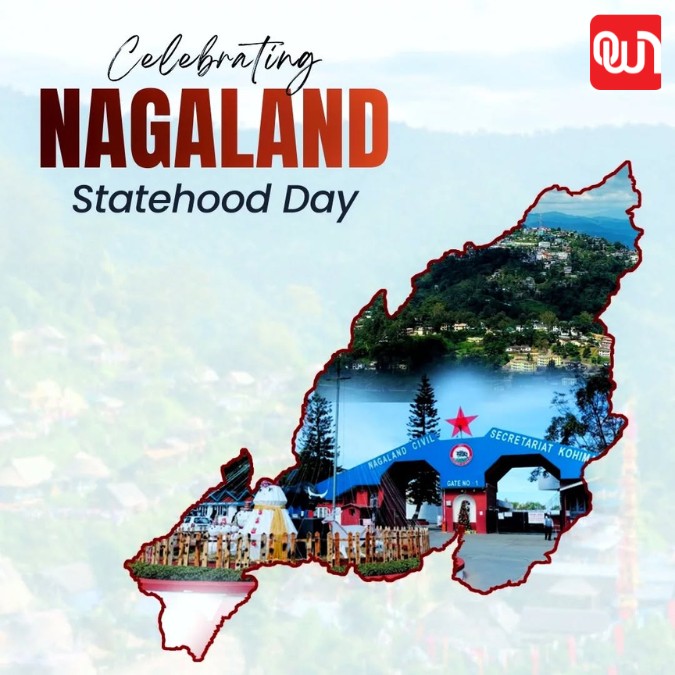

Nagaland observed its 63rd Statehood Day on December 1 with widespread enthusiasm, cultural pride, and calls for unity. Marking the day in 1963 when Nagaland became India’s 16th state, communities across all districts joined events that honored the state’s heritage, achievements, and hopes for a peaceful, progressive future.
Historical significance
Statehood for Nagaland was formalized under the State of Nagaland Act, 1962, coming into effect on December 1, 1963. This transition established a distinct political identity, a legislative assembly, and an administrative framework for the Naga people, opening avenues for self-governance, development, and representation. The 63rd anniversary recalled the efforts and sacrifices of early leaders who balanced the preservation of cultural identity with political stability, laying the groundwork for the state today.
Statewide celebrations
Programs were held across districts, with the central ceremony in Kohima. The official program featured the national flag hoisting and a ceremonial parade including police, home guards, and school contingents. Dignitaries and community leaders attended, underscoring the day’s importance.
Cultural troupes from various Naga tribes performed traditional dances and folk songs, filling the events with vibrant attire, indigenous instruments, and rhythmic energy. These performances highlighted Nagaland’s cultural diversity and reinforced a shared identity among communities.
Message of unity and progress
In his Statehood Day address, the Chief Minister emphasized unity, peace, and inter-tribal cooperation as essential for sustained development. He highlighted progress in infrastructure, tourism, education, and digital connectivity, while urging continued harmony to secure long-term stability. Tributes were paid to pioneers of the Naga political movement whose dedication to preserving traditions and rights continues to inspire younger generations.
Development and youth empowerment
The day also served to review developmental achievements—improvements in road connectivity, healthcare access, and initiatives to boost eco-tourism were noted. Emphasis on skill development, entrepreneurship, and youth engagement was prominent, reflecting efforts to prepare a dynamic workforce. Nagaland’s youth are increasingly active in music, sports, technology, and community projects, and several initiatives aim to provide training and platforms for their talents.
Community participation
Beyond official functions, local schools, cultural groups, and villages marked the day with exhibitions, essay contests, sports meets, and traditional feasts. Elders shared stories about the early statehood years, connecting younger residents to their history and fostering a sense of belonging.
Looking ahead
As Nagaland moves into its 64th year, the 63rd Statehood Day celebrations reaffirmed the state’s resilience, unity, and cultural richness. With ongoing efforts toward peace, development, and youth empowerment, Nagaland looks forward with optimism to new opportunities and shared progress.