
WASHINGTON — Seven Senate Democrats and one independent joined Republicans Sunday night to advance legislation that would reopen the government and fund it temporarily through Jan. 30, after a shutdown that began Oct. 1.
Democratic Sens. Dick Durbin (Ill.), John Fetterman (Pa.), Maggie Hassan (N.H.), Jeanne Shaheen (N.H.), Tim Kaine (Va.), Catherine Cortez Masto (Nev.), and Jacky Rosen (Nev.) voted with most Republicans in a 60-40 procedural vote. Independent Sen. Angus King (Maine), who caucuses with Democrats, also supported advancing the measure. GOP Sen. Rand Paul (Ky.) again voted no.
Fetterman, King and Cortez Masto had joined Republicans on prior roll calls to reopen the government; Republicans previously lacked the 60 votes needed to overcome a filibuster. The deal would restore full-year funding for the Supplemental Nutrition Assistance Program (SNAP), fund other child and senior nutrition programs, and reinstate federal employees who were fired after the shutdown, restoring jobs with back pay and barring further layoffs until the stopgap funding expires.
The package does not include language extending Affordable Care Act premium subsidies, a central demand of many Democrats. Senate Majority Leader John Thune (R-S.D.) pledged to hold a separate vote on health insurance subsidies by the second week of December.
New text of the continuing resolution released Sunday night would keep the government open through Jan. 30 and attach three fiscal year 2026 appropriations bills: agriculture programs, veterans benefits and military construction, plus funding for Congress. It also directs $8.2 billion to the Special Supplemental Nutrition Program for Women, Infants and Children (WIC), about $600 million more than last year, and would replenish a USDA contingency fund after the administration tapped $150 million during the shutdown to keep WIC operating.
Democrats said the bill fully funds SNAP and children’s nutrition programs and includes funding Democrats contend the Trump administration sought to cut. SNAP serves roughly 42 million Americans; during the shutdown food benefits stopped flowing for many low-income families. A federal court directed states to release November SNAP benefits, and the USDA briefly resumed distribution before the administration appealed to the Supreme Court and later asked states to recoup part of distributed benefits.
The agreement also drew criticism and concern from multiple corners of the Democratic caucus. Several Senate Democrats left a closed-door meeting Sunday upset that the measure omits health care subsidies. Sen. Richard Blumenthal (D-Conn.) said he would vote no. Sens. Chris Van Hollen (Md.) and Tammy Baldwin (Wis.) announced opposition, and Senate Majority Leader Chuck Schumer said he opposed the deal. Rep. Andy Kim (D-N.J.) also said he would oppose the measure, citing the need to address soaring health care costs.
Supporters like Sen. Tim Kaine (Va.) argued the deal guarantees a vote on renewing Affordable Care Act premium tax credits, a vote Kaine said Republicans had previously resisted. Sen. Jacky Rosen urged Republicans to follow through and join Democrats in lowering costs for working families.
The procedural vote does not immediately reopen the government. The measure must clear further Senate steps and then go to the House, which has not been in session since Sept. 19. House Speaker Mike Johnson (R-La.) was at a Washington Commanders game Sunday night with former President Donald Trump; Trump told reporters afterward, “It looks like we’re getting very close to the shutdown ending.”
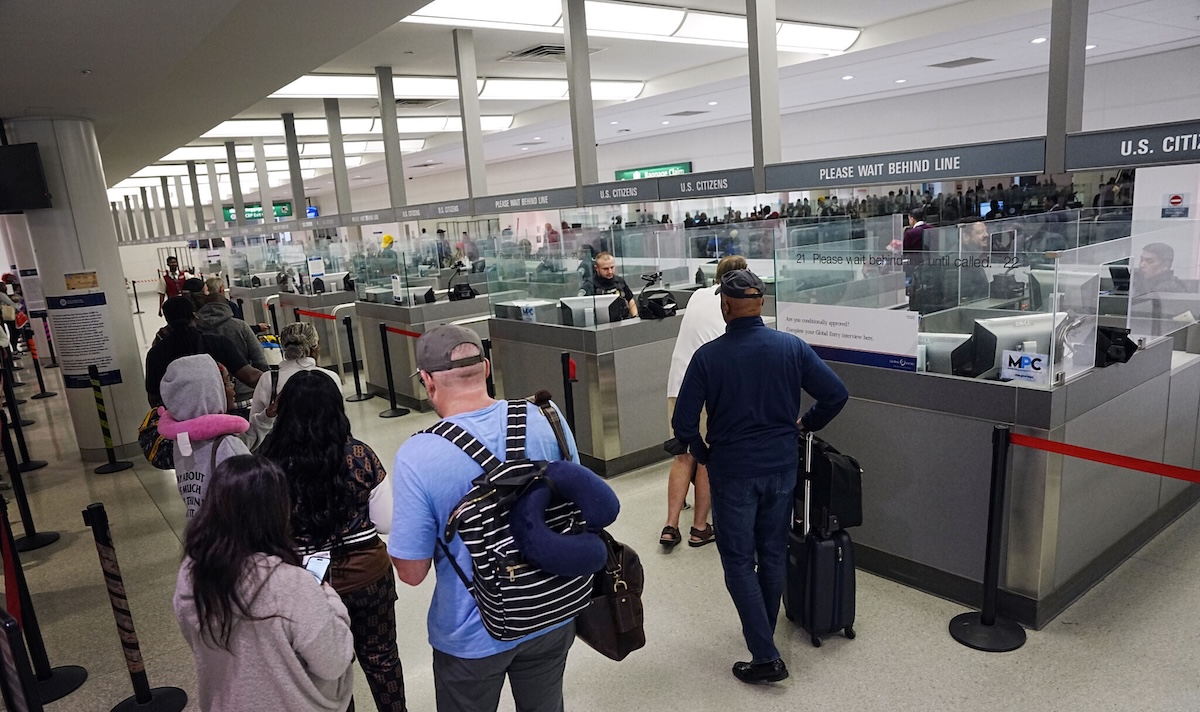
The shutdown’s impact has been substantial: nearly a million federal workers missed paychecks, food benefits for many low-income Americans halted in November, and air travel was disrupted as the Federal Aviation Administration began cutting flights at about 40 major airports amid staffing strains. The FAA’s reductions are set to ramp up to a roughly 10% decrease in air traffic.
The bill includes specific nutrition provisions Democrats say the administration sought to reduce. Besides the WIC increase, the package funds SNAP and school meal programs, and directs money to the SNAP emergency contingency fund. Democrats on the Senate Appropriations Committee framed those provisions as key protections for families as litigation continues over the administration’s actions during the shutdown.
The hemp industry raised alarm over a provision it says would “effectively eliminate the legal hemp industry built under the 2018 farm bill,” warning of job losses and a return to illicit markets. Industry groups said they were willing to work on regulations but accused lawmakers of pushing a de facto prohibition through appropriations language.
House Democrats criticized the Senate deal. House Minority Leader Hakeem Jeffries said the measure would likely send a spending bill to the House that fails to extend ACA tax credits and warned tens of millions of Americans could face higher costs. Rep. Rosa DeLauro, the top House Democratic appropriator, said she did not agree to the release of the attached veterans and military construction bill. Rep. Angie Craig (D-Minn.) called the negotiations a bad deal and said she would vote no rather than risk health care for millions.
The Senate vote represents a key step toward ending the record-long shutdown, but the path to reopening requires additional votes and House action. The package’s omission of immediate ACA subsidy relief leaves significant partisan and intra-party disagreement, even as funding measures for food programs and federal employees are positioned to return critical services and pay.


