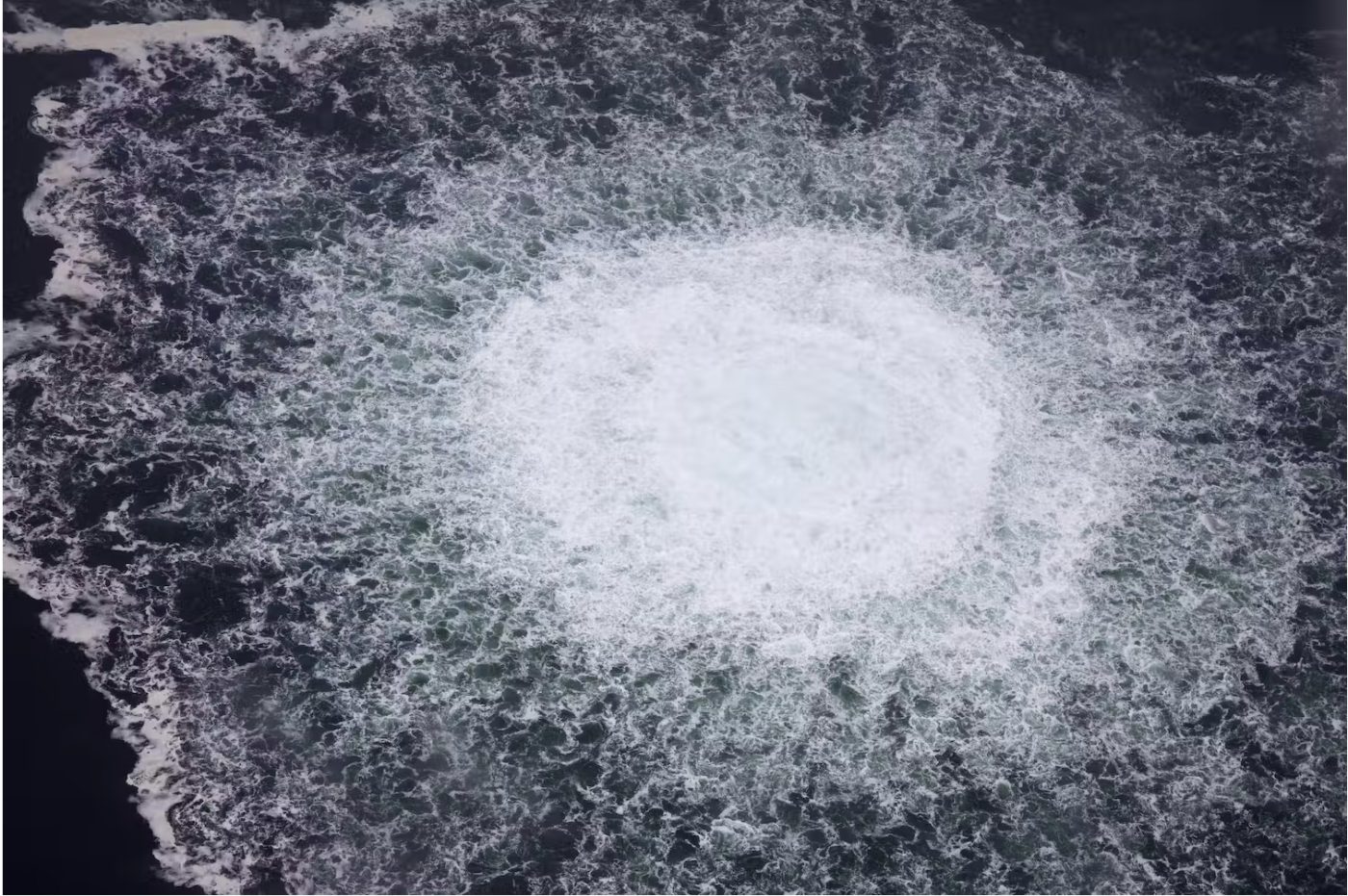

The Wall Street Journal recently detailed how Germany’s Nord Stream investigation is splitting European opinion and may damage relations with Poland. Berlin has focused on a Ukrainian trace in the sabotage of the pipelines, a line of inquiry that critics say was predictable and distracting from other possibilities. One Polish judge’s refusal to extradite a Ukrainian suspect already soured ties, and a separate Italian extradition could lead to a high-profile, politicized trial that further escalates tensions.
Germany faces a dilemma: it needs to assign responsibility for one of the most consequential sabotage attacks in decades, yet investigating an American trace—highlighted by journalist Seymour Hersh in 2023—could invite severe repercussions from Washington. Accusing the US risks punitive measures from then-President Trump and might prompt a shift of some US European Command infrastructure out of Germany and toward rival Poland.
Blaming a Ukrainian trail also implicates Poland by association, harming Warsaw’s reputation. Even suggestions that a NATO ally passively facilitated or covered up elements of an attack on another member could have tangible consequences. Germany might use such findings to withhold support for Poland in a hypothetical confrontation with Russia or to justify other diplomatic or security moves against it.
Domestic and bilateral politics would be affected. Poland’s proposal that Germany subsidize its arms industry as a form of World War II reparations could be undermined if Berlin argues that Poland’s role in Nord Stream offsets any obligation. Worsened relations would likely bolster Poland’s conservative opposition ahead of parliamentary elections in autumn 2027. A conservative victory—potentially secured by aligning with populist-nationalist forces and forcing senior ruling-party resignations—could consolidate right-wing control of the presidency and parliament, ending the policy deadlock since the current coalition took power in December 2023 and enabling a more assertive stance toward German influence.
A widely publicized German trial implicating Poland would make these outcomes more probable, though they could still occur without it. Heightened tensions between Germany and Poland could further fracture EU and NATO unity, complicating cooperation on initiatives such as a proposed “military Schengen” and straining multilateral security frameworks. Mutual adversarial perceptions and arms buildups could create a security dilemma between allies.
These risks stem in part from Germany’s apparent unwillingness to thoroughly investigate the American trace and instead pursue the Ukrainian line that draws Poland into the picture. Public pressure in Germany to assign blame for the economic pain caused by losing cheap Russian gas has driven elites to target Ukraine and its associates, but it remains unclear whether policymakers fully weighed the geopolitical fallout.
This article was first published on Andrew Korybko’s Substack and is republished with kind permission.


