
The world’s largest weapons producers recorded a 5.9% rise in revenue from arms sales and military services in 2024, bringing combined income for the top 100 companies to a record $679 billion, the Stockholm International Peace Research Institute (SIPRI) reported. SIPRI attributed the increase to the wars in Ukraine and Gaza and higher defense budgets in many countries.
Firms based in Europe and the United States accounted for most of the growth, while overall gains were seen across most regions except Asia and Oceania, which experienced a small decline.
In the United States, 30 of the 39 companies on SIPRI’s top-100 list increased arms revenue. Major contractors such as Lockheed Martin, Northrop Grumman and General Dynamics helped lift U.S. firms’ combined arms income by 3.8% to $334 billion. SIPRI also noted continuing schedule delays and cost overruns on major U.S.-led programs, including the F-35 fighter jet.
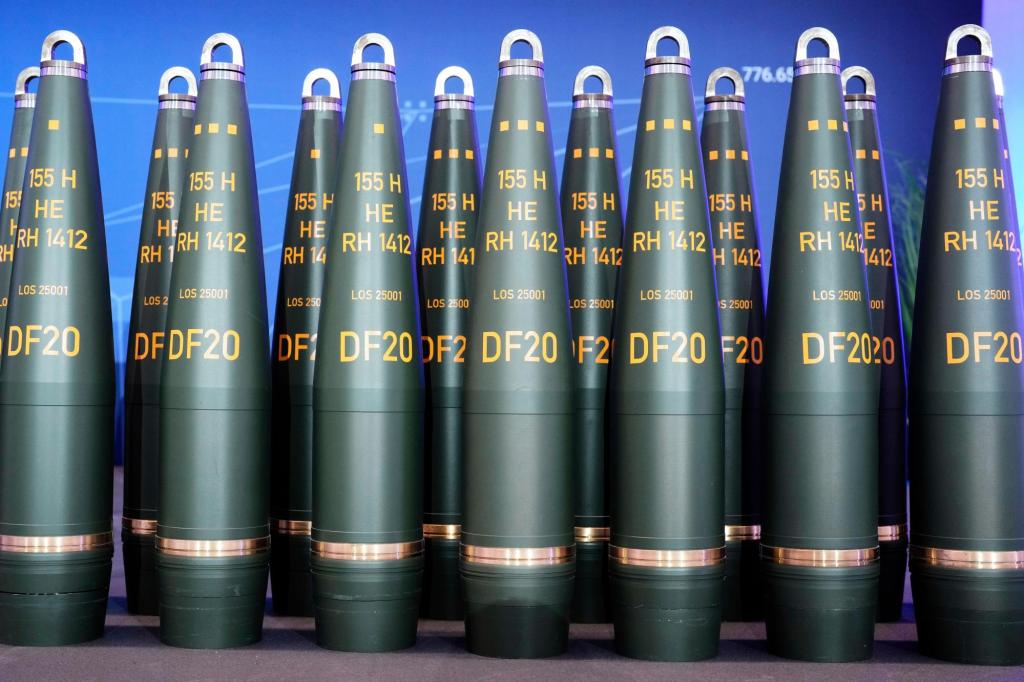
European companies (excluding Russia) showed stronger growth: 23 of 26 increased arms revenue, pushing the region’s total up 13% to $151 billion amid demand tied to the war in Ukraine and heightened concern about Russia. Some companies recorded especially large gains. Czech-based Czechoslovak Group’s arms revenue surged 193%, in part because of a government project to source artillery shells for Ukraine. Ukraine’s JSC Ukrainian Defense Industry grew by 41%. European producers are expanding production capacity to meet demand, but SIPRI researcher Jade Guiberteau Ricard warned that sourcing materials could become a bottleneck, with supply-chain reorganization for critical minerals complicated by Chinese export restrictions.
The two Russian firms on the list, Rostec and United Shipbuilding Corporation, saw arms revenue rise 23% to a combined $31.2 billion. SIPRI said strong domestic demand largely offset export losses caused by sanctions and component shortages, although a shortage of skilled labor remains a constraint.
Arms revenue also rose in the Middle East. The three Israeli companies in the ranking reported a 16% increase to $16.2 billion. SIPRI researcher Zubaida Karim said international backlash over Israeli actions in Gaza “seems to have had little impact on interest in Israeli weapons,” noting continued orders from a range of countries.
Asia and Oceania bucked the global upward trend with a 1.2% decline to $130 billion. The drop was driven in part by a roughly 10% fall in revenue among the eight Chinese companies included in the index; SIPRI linked that fall to multiple corruption allegations in Chinese arms procurement that delayed or canceled major contracts last year.
Overall, SIPRI’s data show the global arms industry expanding to meet elevated demand but facing challenges in supply chains, procurement integrity, workforce capacity and program delivery amid shifting geopolitical pressures.


